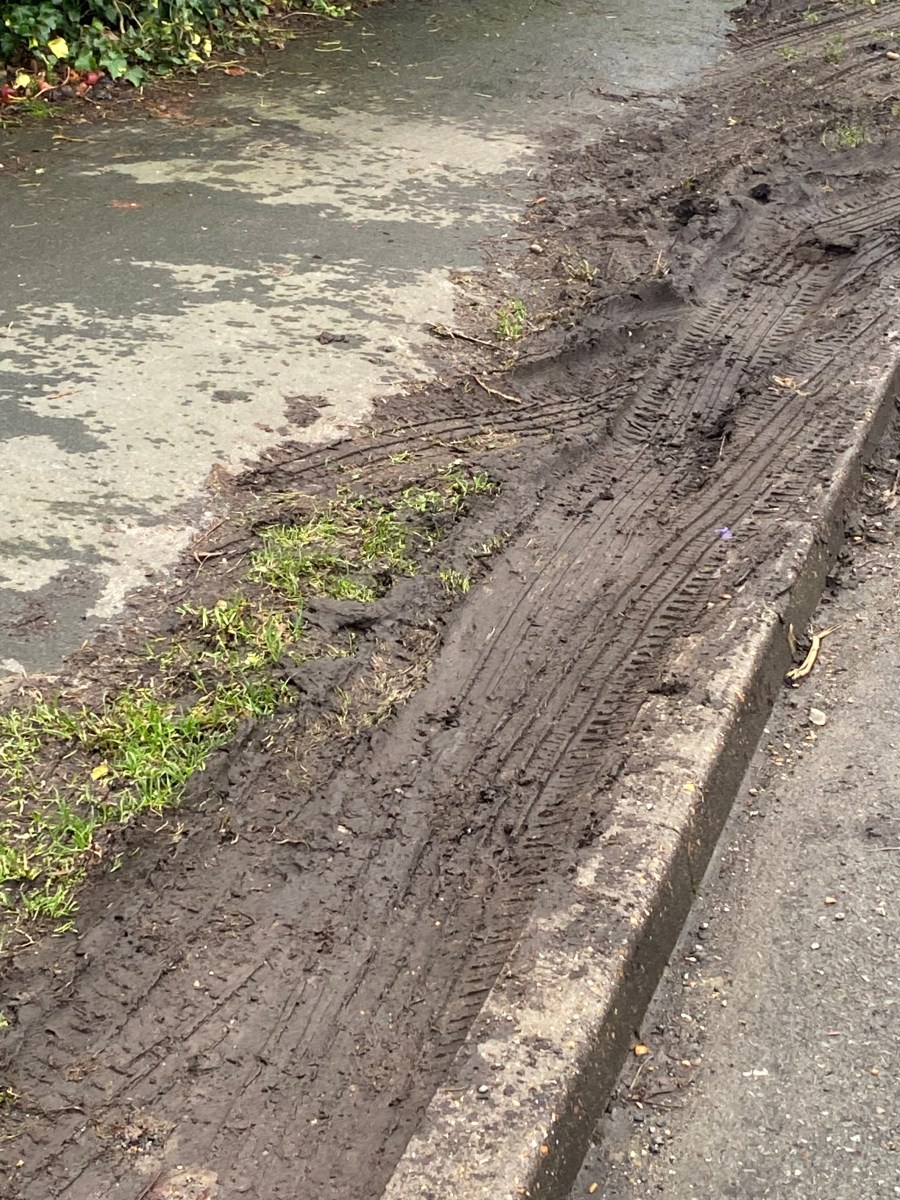
In January 2026, the UK government announced new, improved legal powers for local authorities in England to tackle pavement parking. Rather than a nationwide ban, councils will receive authority to prohibit parking on pavements across wider areas, moving away from slow, street-by-street restrictions. This enables quicker enforcement against unnecessary obstruction of the pavement.
To note: Police can already enforce pavement parking in the UK when a vehicle causes an unnecessary obstruction to pedestrians/wheelchair users, is parked dangerously, or violates specific local restrictions.
Key Aspects of the 2026 Parking Legislation:
- Wider Council Powers: Local leaders to implement stricter, broader restrictions – making it easier to prohibit parking on footpaths.
- Enforcement Focus: The measures are designed to protect pedestrians, particularly those with wheelchairs, pushchairs, or visual impairments.
- Implementation: New, improved legal powers are being granted to local transport authorities to enable enforcement against unnecessary pavement obstructions.
- Guidance and Flexibility: The Department for Transport is issuing statutory guidance to support councils. Councils retain the discretion to determine where enforcement is most necessary, allowing for flexibility in certain areas.
- Current Context: This follows an often spotty approach to enforcement outside London, where a ban has existed since 1974.
- Concerns: Living Streets noted that while this is a step forward, a national prohibition would have been more effective than relying on local, varying decisions.
These changes aim to make streets safer and more accessible for all users, addressing a long-standing issue.
Surrey CC:
Parking on grass verges and pavements is a persistent problem in Surrey and can have a big impact on people with sight and mobility difficulties and for children in pushchairs. Further problems include reducing verges to an unsightly state, obstructing the highway and preventing pedestrians and wheelchair users from accessing roads and footways if there is no other pathway.
Also, pavements are only designed and constructed to take the weight of pedestrians, mobility scooters and wheel chairs, so the weight of a car or goods vehicle can cause damage.
Where no waiting restrictions are present on the road, parking on a grass verge or pavement is not illegal. However, a driver may be open to prosecution if their vehicle is persistently damaging a verge, parked dangerously or causing an obstruction.
Discover more from Limpsfield Parish Council
Subscribe to get the latest posts sent to your email.
 Limpsfield Parish Council